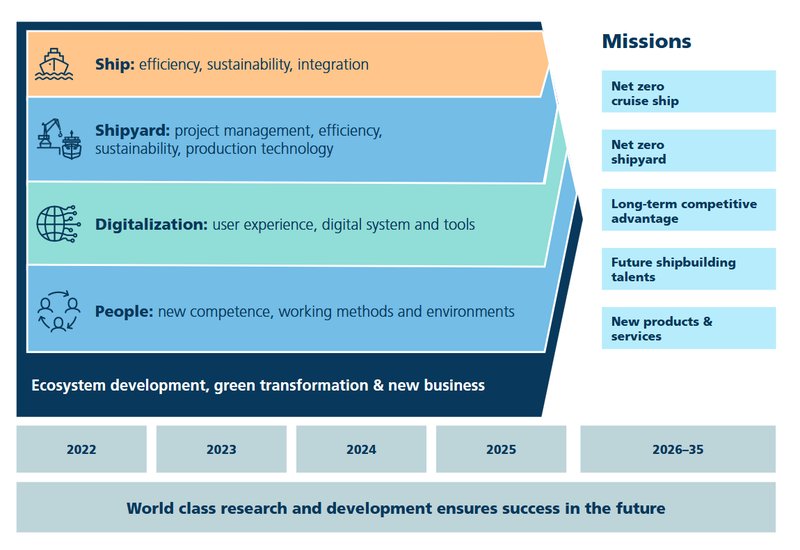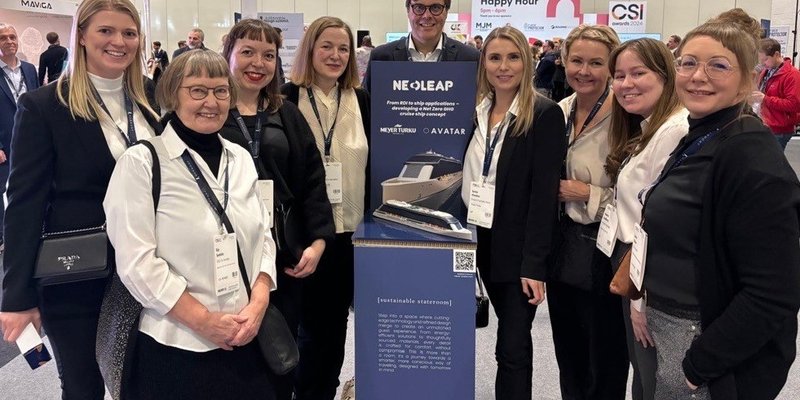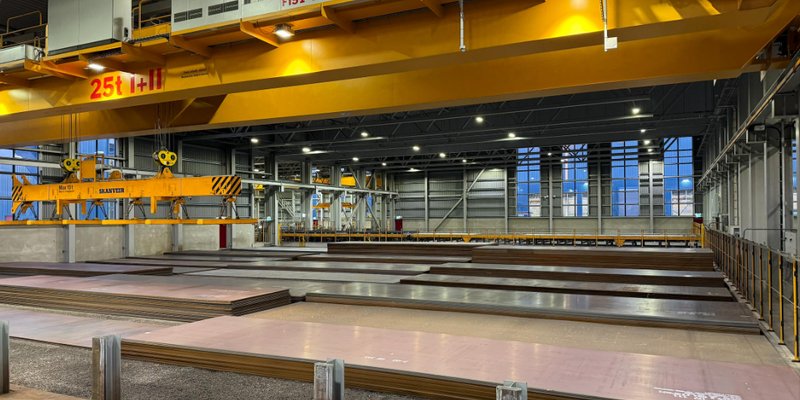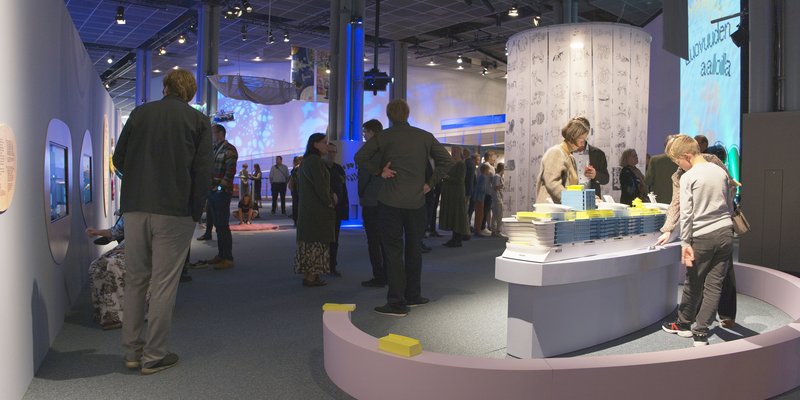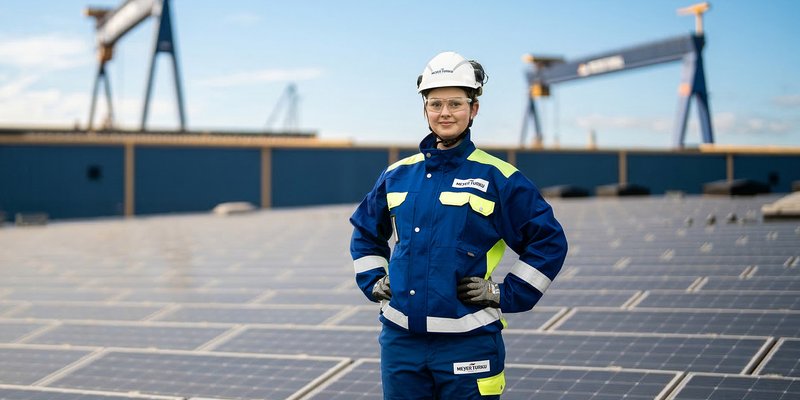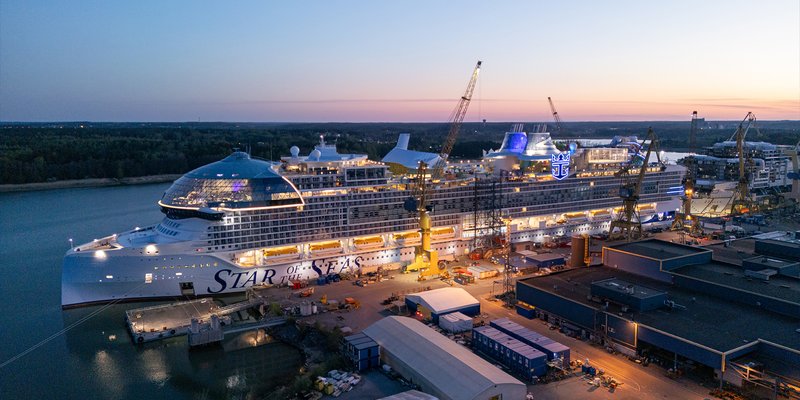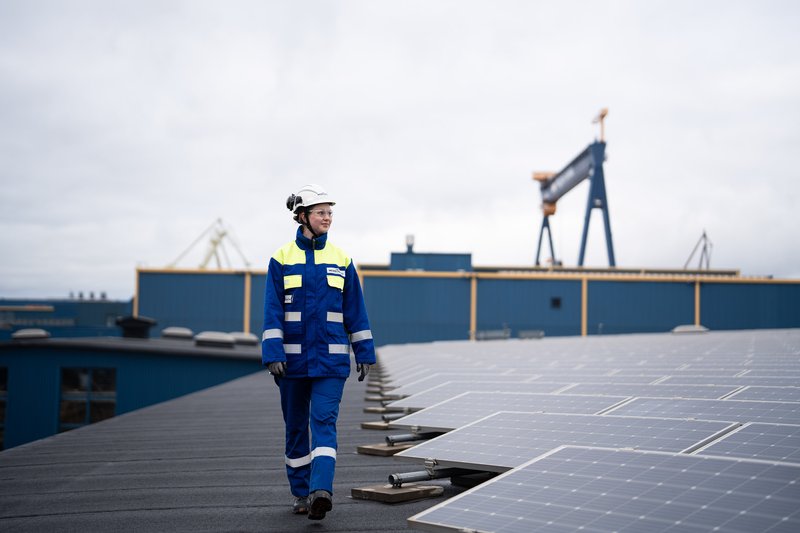
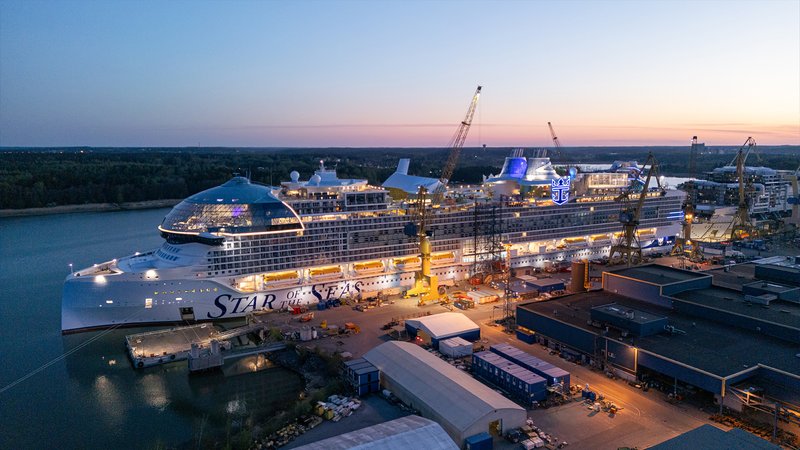
NEcOLEAP was Meyer Turku’s research and development project that aimed to boost the shipyard’s green transition by co-developing innovative and sustainable technological solutions. The program lasted for four years, and more than 400 Meyer Turku employees contributed to it. The goal was to strengthen the global competitiveness of the Finnish shipbuilding industry and ensure the continued excellence in cruise ship design and construction.
The four main objectives of NEcOLEAP were:
1. Reinforcing research and development within the shipbuilding ecosystem and securing future competence
2. Utilising smart technologies throughout a ship’s life cycle
3. Developing a net-zero cruise ship concept
4. Enabling a net-zero shipyard by 2030.
In February 2022, Meyer Turku was selected for Business Finland’s leading company funding program, which challenges companies to increase their research, development, and innovation (RDI) investments in Finland. With support from the funding program, Meyer Turku’s four-year (2022–2025) green transition RDI program NEcOLEAP was implemented.
In the NEcOLEAP program, we aimed to develop a net-zero cruise ship concept and a net-zero emission shipyard. These were developed in co-operation with universities, research institutions and shipbuilding ecosystem companies. The program aimed to accelerate the adaptation of Meyer Turku shipyard’s business to the green transition and to respond to the structural changes brought on by climate change.
Within the program, Meyer Turku extensively developed energy efficiency, emission reduction, vessel weight management, hull hydrodynamics, automation, robotics and cyber security, among others. NEcOLEAP was successfully completed in 2025.
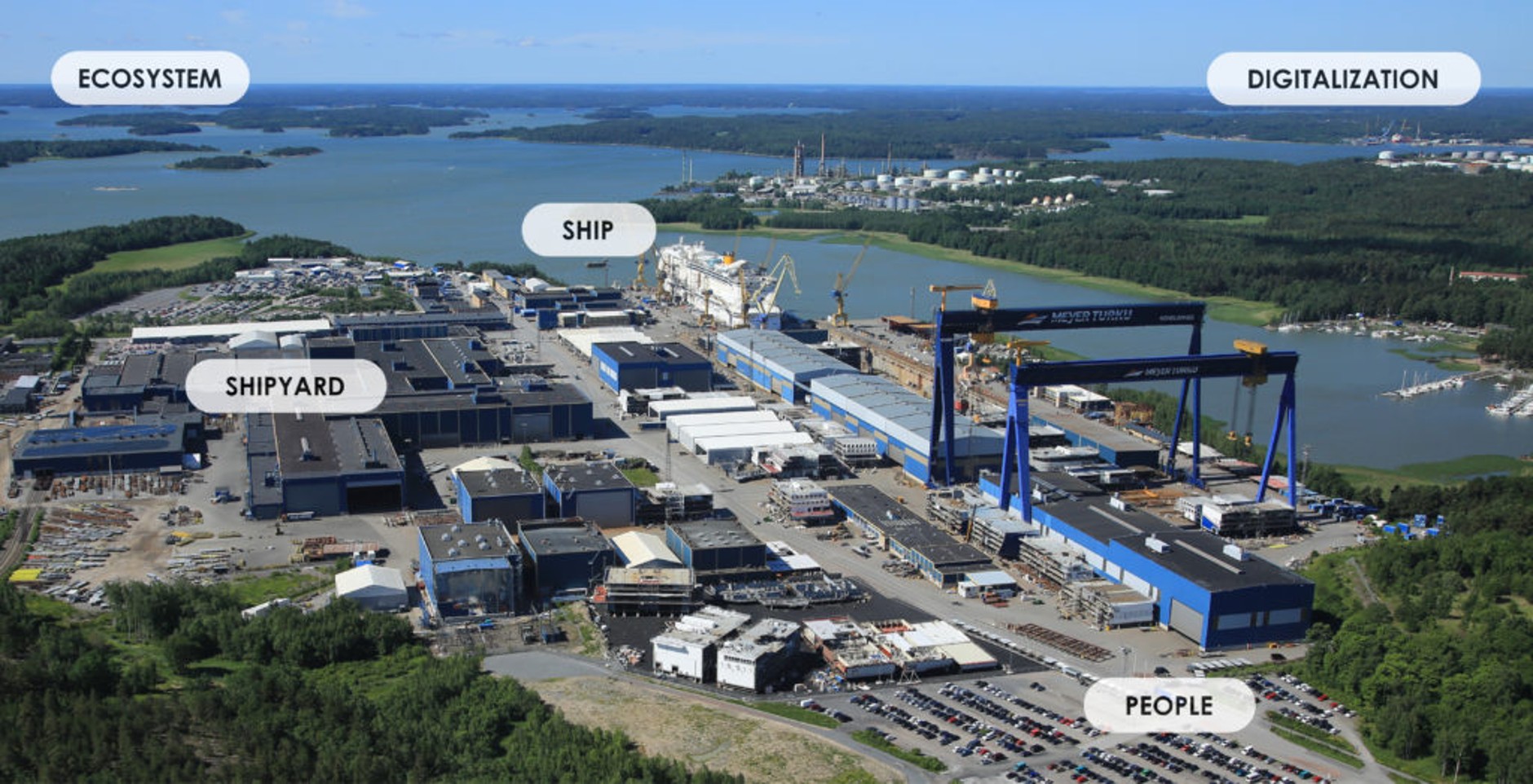
NEcOLEAP was divided into four clusters, within which over 60 separate projects were completed
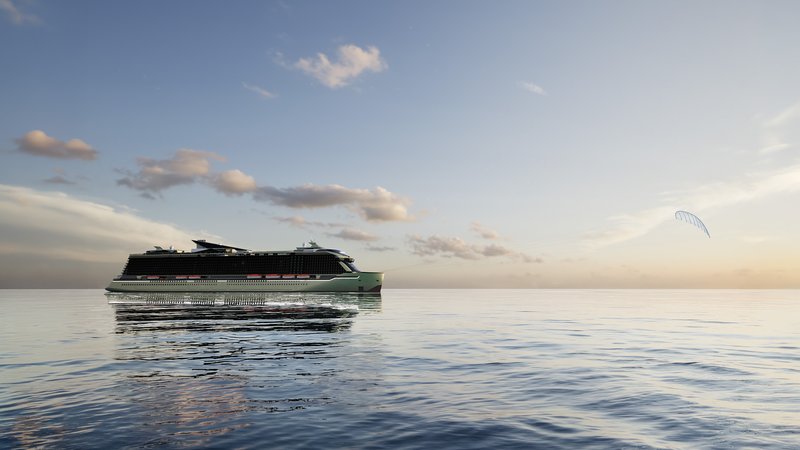
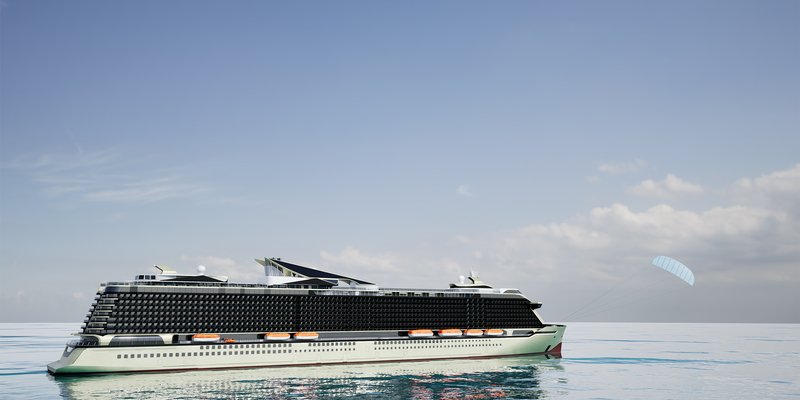
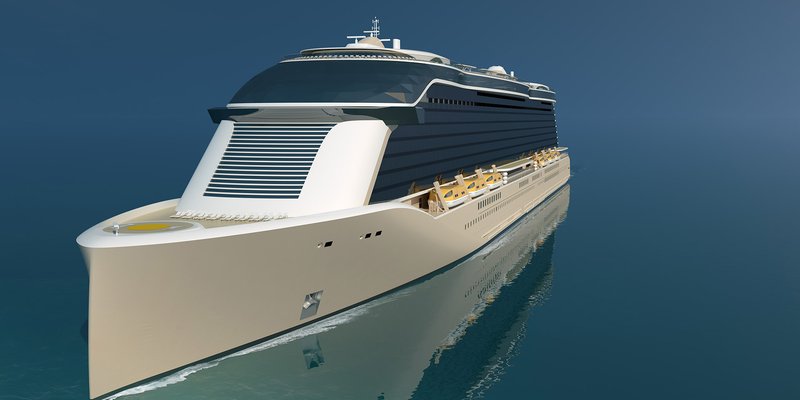
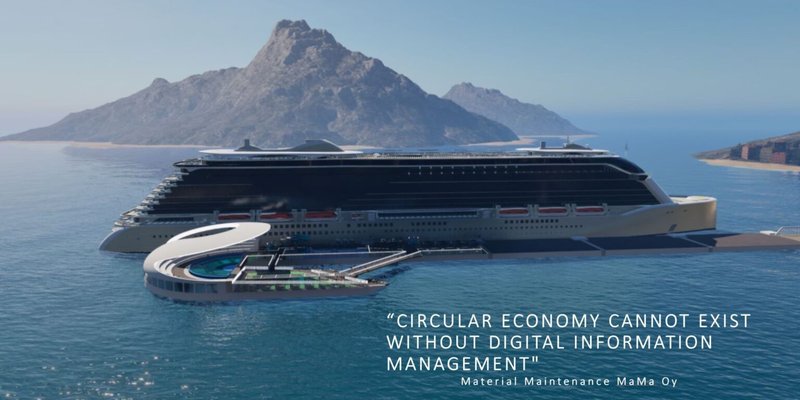
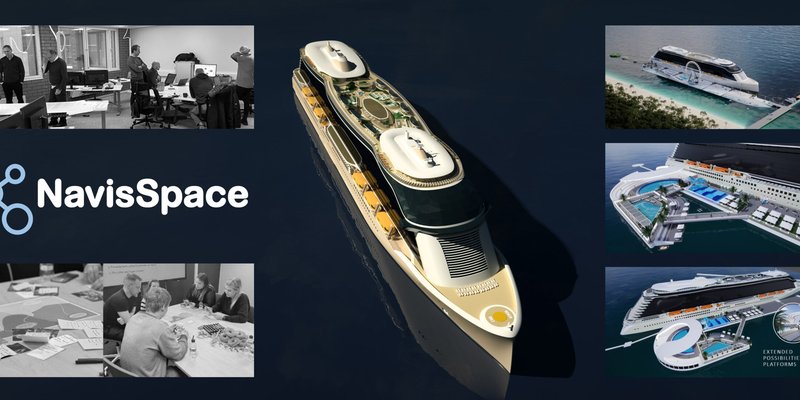
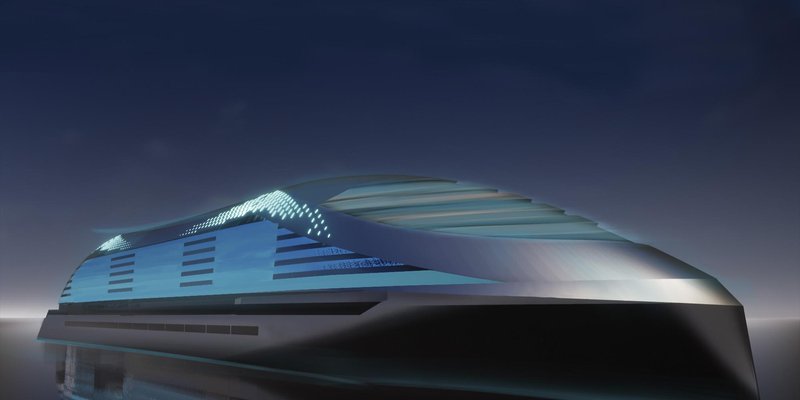
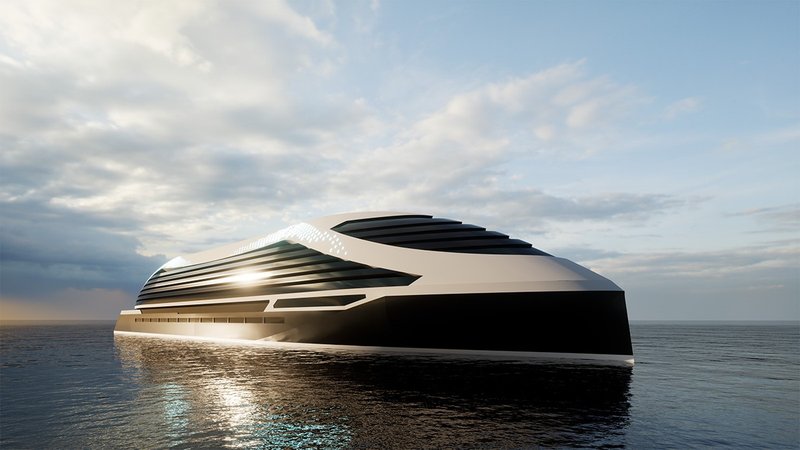
One of the key objectives of NEcOLEAP was to develop the net zero vessel concept Avatar. The project achieved its set emissions reduction target: the vessel’s lifecycle carbon footprint was successfully reduced by more than 90 percent compared to the baseline defined by the International Maritime Organization (IMO). The results provide a solid foundation for continuing development and innovation work in sustainable shipbuilding.
The AVATAR project brought together a broad network of experts across multiple disciplines and demonstrated that Meyer Turku and the Finnish maritime cluster have excellent capabilities to develop the ships of the future in close cooperation across the entire ecosystem. More experimental or early-stage technologies were deliberately excluded — yet the project still exceeded the net zero requirements with a clear margin.
AVATAR has provided a solid foundation for our development work. We now have a substantial portfolio of new ideas, tools, and next-generation ship technologies.
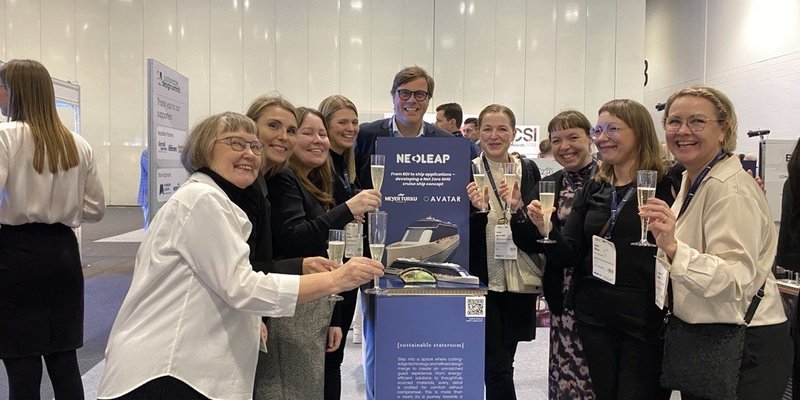
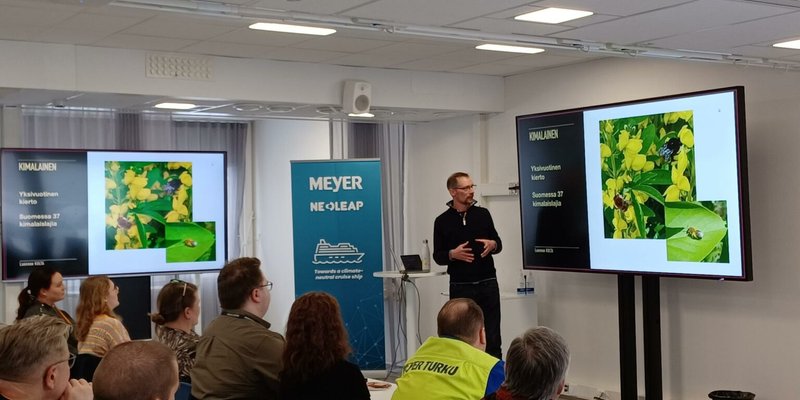
By the end of 2025, the NEcOLEAP program had assembled a total of 316 partners, including enterprises, SMEs, research institutions and universities. Taking place through both virtual and in-person events, the co-operation helped generate several new projects and led to extensive networking.
The total cost estimate for the program was about EUR 160 million, with Business Finland funding Meyer Turku with EUR 20 million and the company itself providing EUR 40 million. In addition, Business Finland reserved EUR 50 million for supporting companies and research organisations in the ecosystem.
NEcOLEAP was managed by the GT Lab (Green Transition Lab), Meyer Turku’s open innovation unit.