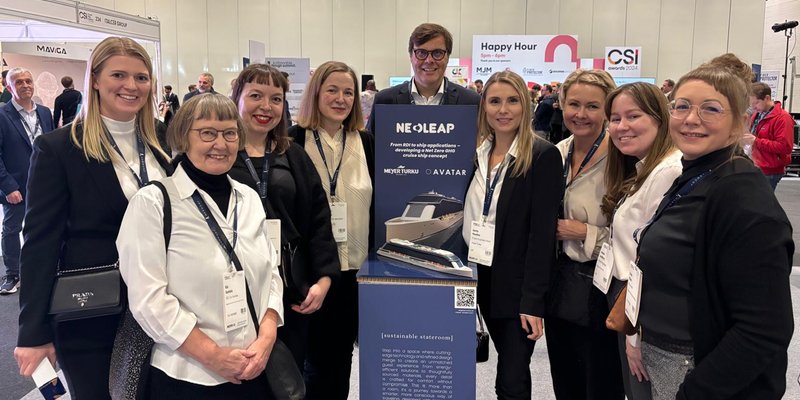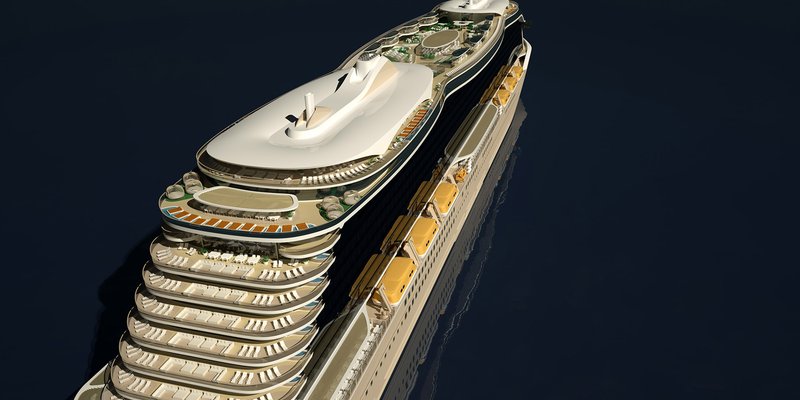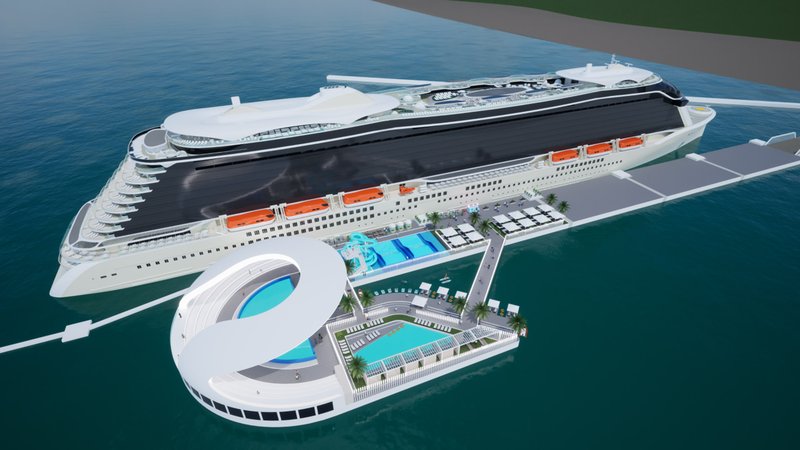
The Green Transition Lab (GT Lab) is an open innovation unit that brings together universities and maritime industry stakeholders to develop sustainable solutions and promote the green transition of the maritime industry. GT Lab achieves this by coordinating research and development projects, partnerships and funding.
Collaboration with universities and research institutions supports competence development and addresses future workforce needs. We collaborate with our educational partners on curriculum development, internship programmes and thesis projects. Furthermore, we participate in research programmes related to new fuels, energy efficiency, digitalisation and automation.
The Green Transition Lab aims to build a long-term interdisciplinary research collaboration with academia and the industry. In shipbuilding, the focus is naturally on technological research and development, but creating a more sustainable maritime industry also requires cooperation with top experts from other disciplines. GT Lab provides support to this endeavour and strengthens Meyer Turku’s and its entire network’s commitment to sustainable shipbuilding.
GT Lab’s objective is to be actively involved in European maritime policy, research and development programmes and key industry networks, such as the Waterborne Technology Platform, SEA Europe, Euroyards and CLIA. Through these networks, we participate in planning the future of the industry and strengthen Turku shipyard’s role as a pioneer in the European maritime industry and as a global influencer.
GT Lab has developed the Thinking BIG / Thinking Ahead operating model, in which maritime industry research and development are examined far into the future – up to the year 2100. The model utilises global megatrends and helps understand how the green transition connects with digital transformation, resilience to change, new business models and societal changes. This is how GT Lab supports Meyer Turku’s capacity to develop ships that meet the demands of the future.