The future of shipbuilding is made today

The future of shipbuilding is made today

The creation of future concepts and the identification of technologies are an important part of our research and development efforts and ability to maintain our competitiveness.

Investing in research ensures that we are prepared to capitalise on future opportunities when the time is right. Utilisation of new technology is essential from the perspective of our sustainability objectives.
NEcOLEAP brought maritime industry pioneers together

NEcOLEAP brought maritime industry pioneers together

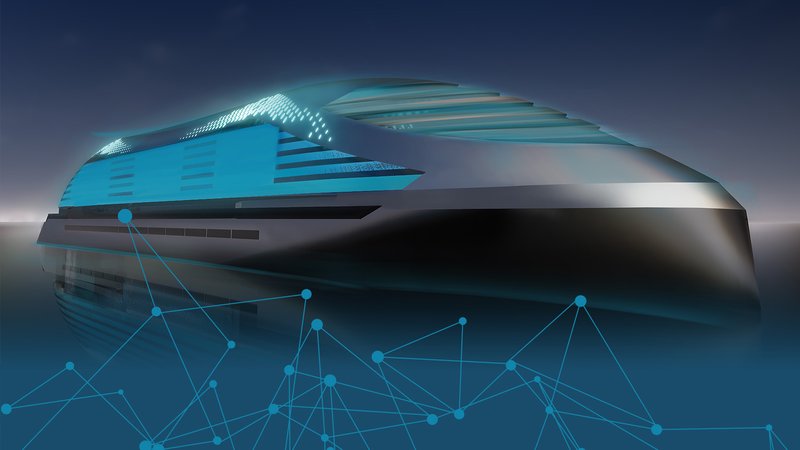
NEcOLEAP (2022–2025) was a research and development programme aimed at ensuring that Finnish shipbuilding remains competitive and Finland continues to have high-level expertise and proficiency in cruise ship construction in the future. 

The NEcOLEAP project brought together representatives from companies, universities and research institutes. Its purpose was to enable the development of innovative and sustainable technological solutions. Research and development in the programme was focused on four themes: the vessels themselves, shipbuilding, smart technology and future developments.

AVATAR sets a course for the future

AVATAR sets a course for the future

The AVATAR project combines the results of the shipbuilding and digitalisation research and development projects from the NEcOLEAP programme. The AVATAR project encompasses the digitalisation of our growing net-zero expertise as well as a virtual ship environment where we can integrate new technologies to learn more about them. 

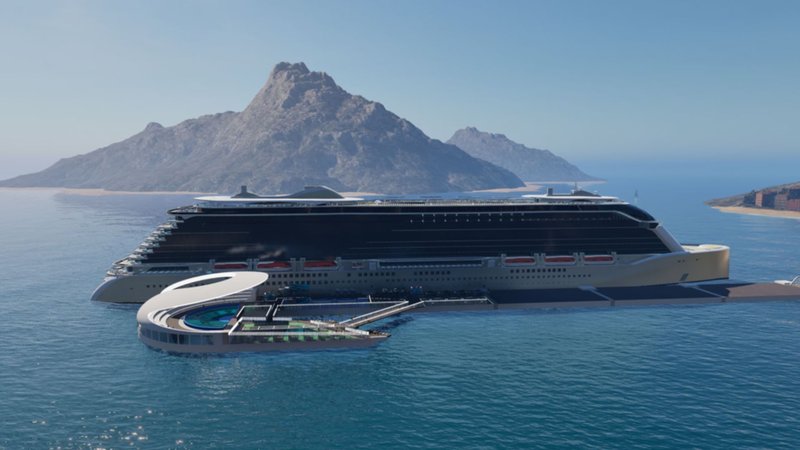
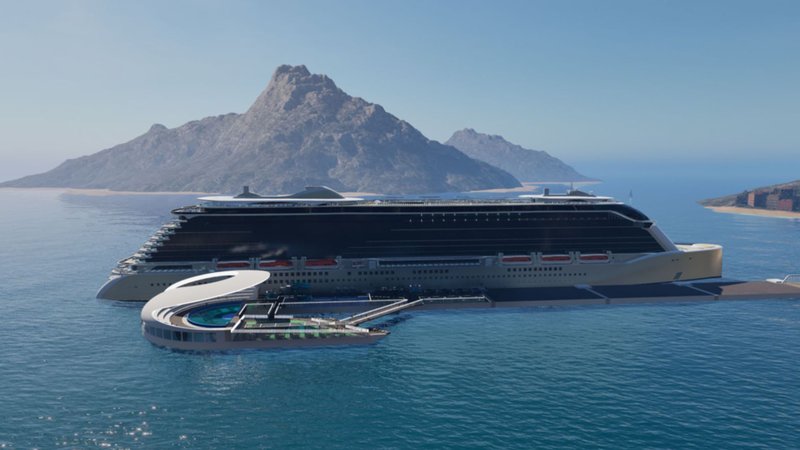
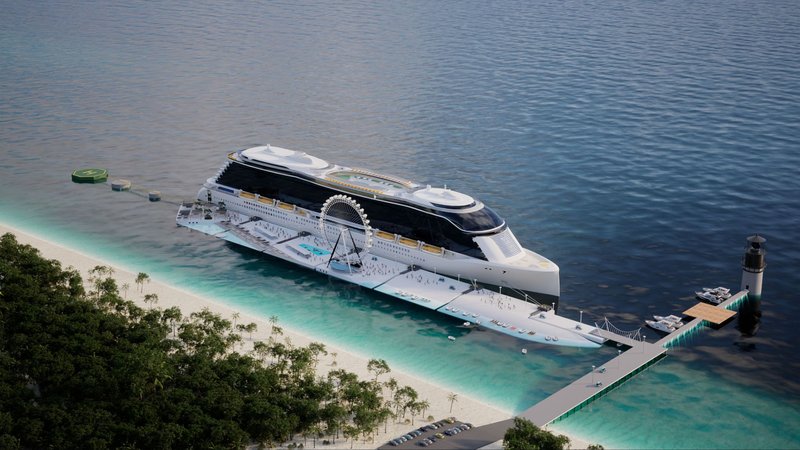
As part of the AVATAR project, Meyer Turku’s Net Zero cruise ship concept was developed, with its emission reduction target achieved by the end of 2025. The objective was to reduce the concept ship’s carbon footprint by over 90% compared to the IMO baseline.

Net zero

The Net Zero cruise ship concept is the culmination of many factors. However, minimising the ship’s energy consumption was the key priority in its development. For example, the dimensioning of spaces and systems was optimised, and attention was paid to their use in order to reduce overall energy consumption. A digital twin, also known as the dynamic energy simulation model, was utilised to compare the effects of different solutions at the overall system level.

Technology Radar havaitsee tulevaisuuden mahdollisuudet

Technology Radar detects future opportunities

Our Technology Radar function is part of Meyer Turku’s research and development efforts. It aims to identify and monitor intriguing but still maturing technological solutions available on the market. The maturity level of technologies is monitored using the widely recognised TRL (Technology Readiness Level) scale developed by NASA. In addition, Meyer Turku has developed its own SRL (Ship Application Readiness Level) definition to describe the organisation’s own assessment of a technology’s readiness for ship application, particularly for passenger ship applications. Foresight is a crucial component of our ability to respond to the evolving needs of our customers and the market.